Activity Overview
Our center is committed to promoting community-based public education. Through interactive thematic talks and in-class activities, students gain first-hand understanding of the real-life situations of grassroots families, subdivided flat residents, and the elderly.
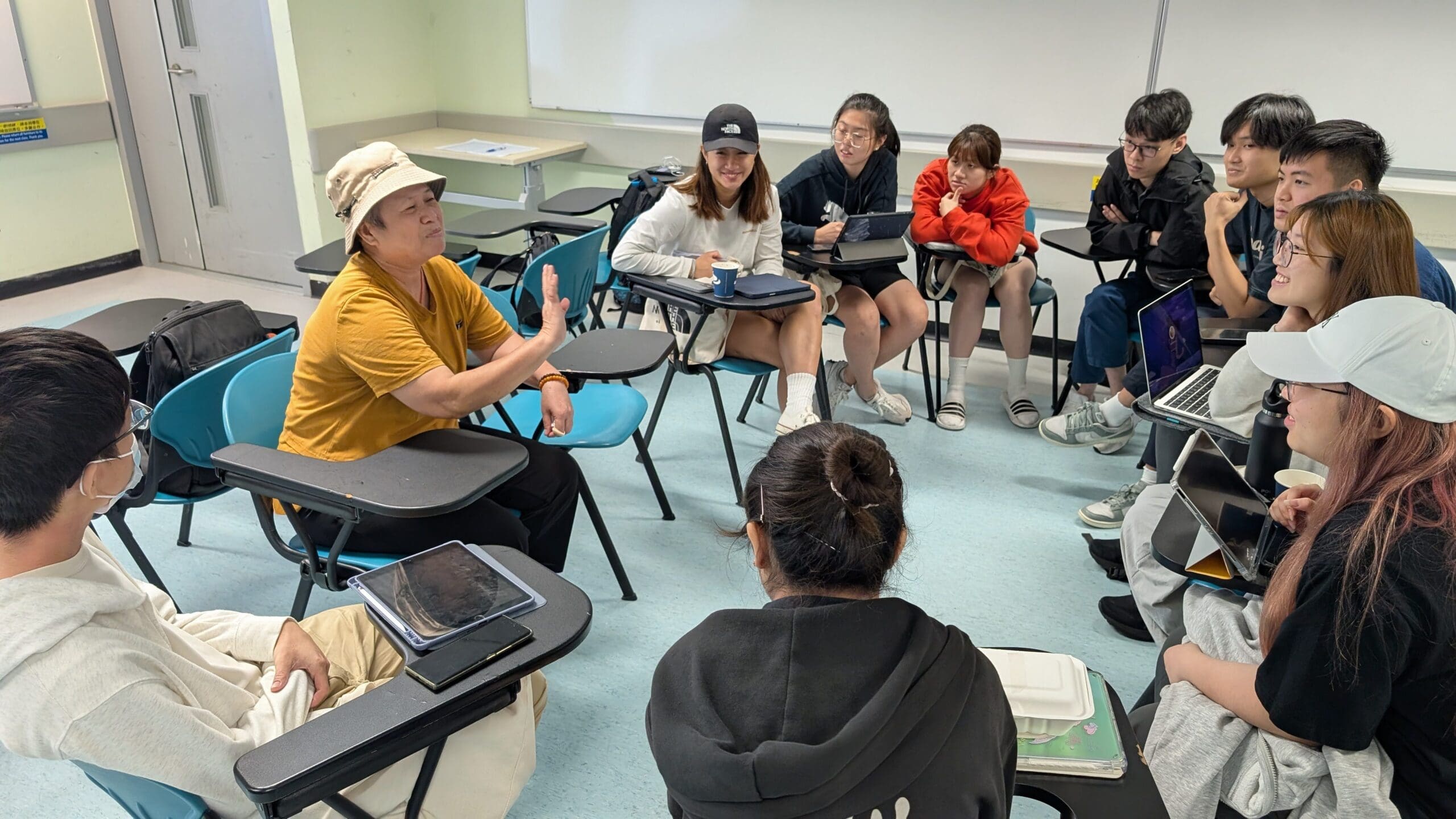
The activities are centered on experiential learning, inviting trained docents (such as subdivided flat residents, grassroots women, and the elderly) to share their personal experiences. This approach aims to break stereotypes and foster students’ empathy and sense of social responsibility.
Key Features
- Real-life Story Sharing: Grassroots community members and subdivided flat residents serve as “Human Library” speakers, directly interacting with students to deepen understanding of issues like poverty, housing, and caregiving.
- Interactive Experiential Learning: A variety of activities are designed, including role-playing, subdivided flat design simulations, and resource allocation games, encouraging active student participation and reflection on social phenomena.
- Policy and Community Analysis: Students are guided to explore the impact of existing policies on vulnerable groups based on lived experiences, enhancing their analytical skills and awareness for action.
Activity Details
| Activity Type | Activity Brief Introduction |
| Interactive Thematic Talk |
Description: Grassroots elders/women/subdivided flat residents share life experiences and interact with students to enhance empathy and policy analysis skills Target Audience: Upper primary to secondary students Group Size: 100-600 Duration: 1 hour |
| In-Class Workshop |
Description: Activities include understanding subdivided flats, simulation design, resource allocation games, and dialogues with residents Target Audience: Primary, secondary, and tertiary students Group Size: 20-60 Duration: 60–70 mins/session |
| Human Library |
Description: Group dialogues with subdivided flat women, elders, or caregivers to understand their lives and challenges Target Audience: Upper primary to secondary students Group Size: 20-60 Duration: 60-70 mins |
| Food Rescue Workshop |
Description: Students handle surplus food, learn about food safety and food conservation, and explore the link between food waste and poverty Target Audience: Primary 3 to secondary students Group Size:12+ Duration: 2 hours |
Learning Focus
- Understanding the multifaceted issues of poverty and housing in Hong Kong
- Fostering empathy and understanding for grassroots families, the elderly, and caregivers
- Experiencing the challenges of resource allocation and social mobility
- Reflecting on the importance of social policies and community support
- Encouraging students to actively care for and participate in their community
Example Activity Flow
- Introduction and briefing
- Interactive experiential session (e.g., subdivided flat simulation, role-play, resource allocation game)
- Human Library: Dialogue with grassroots community members
- Group discussion and sharing
- Q&A and conclusion
Target Audience
- Primary to tertiary students
- School volunteer teams, civic education courses
- Groups interested in community issues
Registration and Enquiries
Schools and groups are welcome to book activities.
Content and format can be adjusted as needed and can be integrated with school theme weeks or service learning arrangements.